Gross National Happiness, explained honestly
It is not a slogan and it is not a mood. It is a measurement framework with nine domains and a government agency behind it, and it is more interesting than the postcard version.
Visitors arrive having heard that Bhutan measures happiness instead of GDP. This is broadly true and almost always misunderstood, usually as something whimsical, occasionally as something cynical.
Where it came from
The phrase is credited to the fourth king, Jigme Singye Wangchuck, in the 1970s. What began as a remark hardened over decades into policy, and then into a formal index with nine domains: psychological wellbeing, health, education, time use, cultural diversity, good governance, community vitality, ecological resilience and living standards.
What it actually does
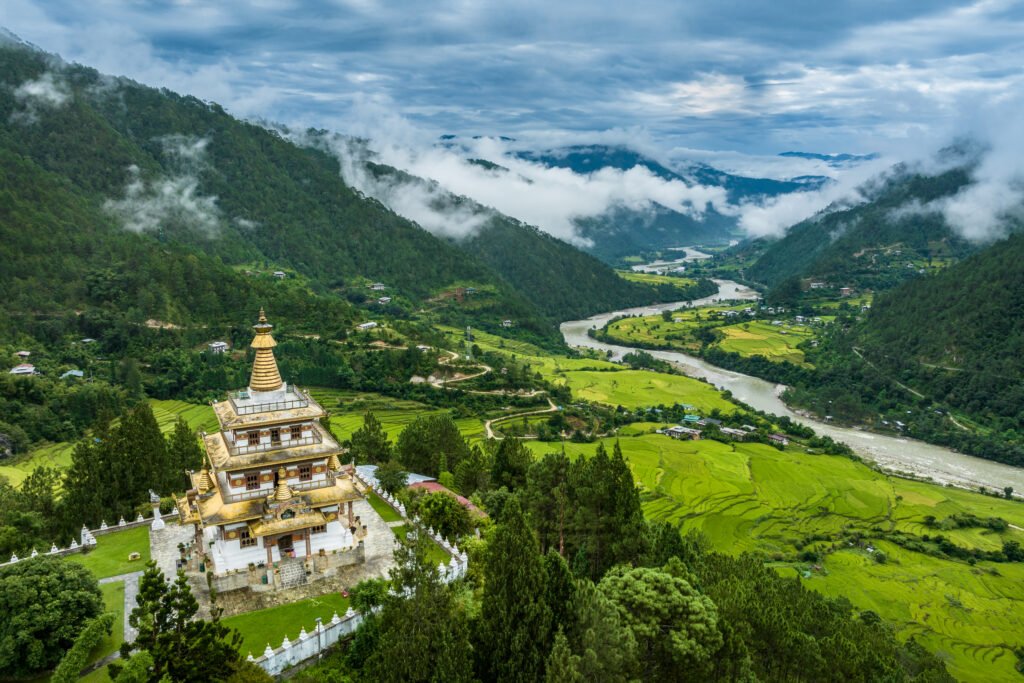
Proposed policies are screened against it. This is the part that surprises people. It is why forest cover is constitutionally protected at sixty percent. The actual figure is above seventy. It is why tourism is capped by price rather than opened to volume. It is why the mountains remain unclimbed.
It is not a measure of whether Bhutanese people feel cheerful. It is a filter that development has to pass through.
The honest complications
Bhutan has youth unemployment, rural-to-urban migration, and a significant number of young people leaving to work abroad. GNH did not prevent these. Bhutanese people discuss them openly, and a visitor who assumes the country is a contented idyll will misread almost every conversation they have.
Why it matters to a traveller
Because it explains the texture of the place. The absence of billboards, the traditional architecture requirement on new buildings, the national dress in offices, the fact that your journey costs what it does. None of this is staged for you. It is the visible surface of a decision the country made about what it wanted to keep.
Understand it from the inside.
Our guides will give you the version with the complications left in.
Design Your Journey→A boutique travel company creating private journeys through Bhutan, Ladakh and Darjeeling.